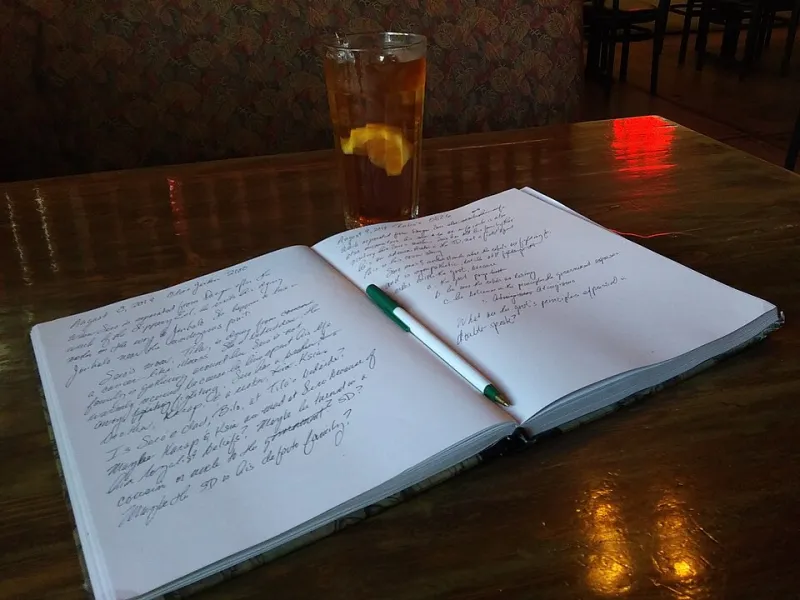
A Line in the Book: The Modest Visitor Log That Quietly Earns Its Keep
Photo: simple visitor sign-in notebook and pen on reception desk, small office, natural light, via www.worksheetsplanet.com
Most homes and small offices already have some version of this. A notebook by the door with a pen attached by a bit of string. A shared document nobody has opened since March. A whiteboard by the kettle that says “electrician — Tues” in someone's handwriting.
It is not glamorous, and it is not supposed to be. A visitor log is one of those small, dull habits that quietly saves an afternoon later on. The trick is keeping it light enough that people actually use it.
Three quiet jobs
Accountability first: if four people have access to a building, a line in a book is the difference between “someone was in on Thursday” and knowing who. Security second: an unexpected name is far easier to spot against a list of expected ones. Handover third: a short note about what was done or left unfinished means the next person does not have to guess.
That is the whole brief. Anything beyond those three jobs is probably extra weight.
Five fields, no more
Date. Name. Arrival time. Departure time. Purpose, in three or four words. A signature column is optional but useful if you want the log to have any real value in a dispute.
That is it. “Cleaner — usual visit” is a perfectly good purpose entry. “Plumber — upstairs bathroom, second visit” is another. Resist the urge to add fields just because a template online had them.
What to leave out
No ID numbers. No dates of birth. No medical details. No full vehicle registrations. No opinions about the work. A log records attendance, not dossiers — and under UK data protection rules you want the minimum necessary, kept for a limited time, with people told that the log exists.
That last part matters more than the format. A line in the booking confirmation saying “we keep a visitor log by the front door — it records name, time and purpose” takes ten seconds and removes all the awkwardness.
Homes: the version that does not feel odd
A small hardback notebook on the hall table, or inside the utility cupboard if the hallway is on show. Ask regulars to sign in even though they are regulars — precisely because they are regulars. It is the pattern that makes an exception visible.
If a visit has been arranged by someone else — a family member, an agency, a letting agent — note who booked it. That single detail has untangled more confusion than any other column ever will.
Offices: keep it near the door, not behind a desk
In a small office the risk is rarely espionage. It is the contractor who came on Tuesday and by Thursday nobody can remember whether he finished the job or is coming back. A log on a clipboard by the entrance, or a shared sheet on the office tablet, sorts that in one glance.
It also settles the classic Friday afternoon mystery: two people each assuming the other one let the electrician in, and a bill for a callout that nobody can account for.
The handover line
If a visit ends with something outstanding, put one short phrase in the purpose column: “waiting on part”, “invoice left on desk”, “needs second coat”. Not a report. A signpost. Whoever reads it next knows to look.
A five-minute monthly look
Once a month, flick through. Do the entries roughly match the bookings? Any gaps on days when somebody should have been in? Any name you do not recognise? Has it quietly drifted into blank pages because the pen went missing?
That is the entire audit. It should take less time than making a round of teas.
When it is overkill
If you have one regular helper, no contractors and nothing much else going on, a full sign-in routine is theatre. Keep it for the periods when it earns its place: more than one person with access, building works, a property sitting empty, or a busy few months with several trades through the door.
And keep the finished books for a sensible while — twelve months is plenty for most households — then bin them. A log nobody ever closes is just clutter with a privacy question attached.