The Favour Creep Problem: Why Extra Requests Need Their Own Slot
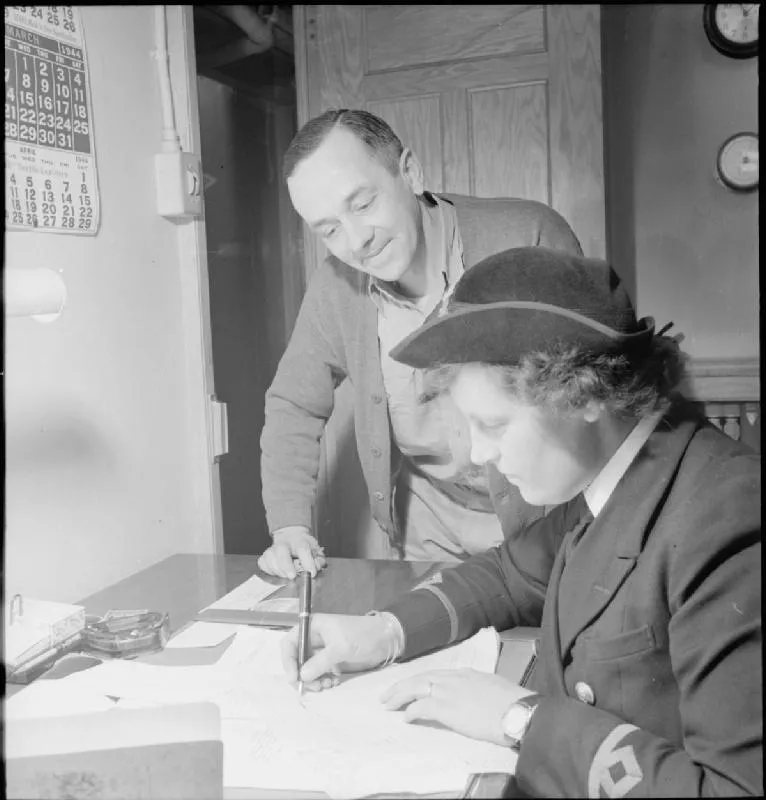
Photo: Richard Stone, Public domain, via Wikimedia Commons
The ask that sounds tiny
You’ve booked a two-hour visit. The list is clear: clean the kitchen, run the hoover round, wipe the bathroom, put the bins out. Then, just as the visit begins, comes the friendly add-on. “While you’re there, could you water the plants?” It takes two minutes, surely. And it probably does — until it’s six plants, three watering cans, a search for the key to the back door, and a trail of drips across the hall.
That is favour creep. Not one cheeky request, but the steady accumulation of small extras that never quite make it onto the booking. It is one of the quietest ways a reliable visit stops being reliable.
At Red Rose Services, we like being helpful. Most home and office support firms do. But helpfulness works best when it has edges. Otherwise, the person doing the visit ends up rushing the agreed work, the customer wonders why something was missed, and everyone leaves a little less sure about next time.
Why a small ask is rarely small
A visit is not just a list of tasks. It is a plan built around time, access, equipment and safe working. Add a parcel drop-off to a home visit and you may add a walk to the post office, a queue, and a conversation about whether the item needs signing for. Add “just pop the bedding on” to an office clean and you may add a laundry cycle, a drier wait, and a reminder that nobody checked the machine filter.
Timing is the obvious casualty. If a 90-minute visit gains 20 minutes of extras, something has to give. Sometimes it is the last room. Sometimes it is the travel time to the next appointment. Sometimes it is the worker’s break. None of those are good places to find savings.
Insurance and expectations matter too. Tasks outside the agreed scope may not be covered by the provider’s insurance, especially anything involving heights, valuables, pets, medication, or leaving the property to run errands. Even when an extra is perfectly safe, it can blur the line between “included” and “not included”. That blur is where disappointment grows.
The friendly trap
Saying yes feels good in the moment. It builds rapport. It avoids an awkward conversation. But repeated yeses create a quiet expectation: that the visit is elastic, that the list is a starting point rather than the plan, and that the person on site will always absorb the difference.
That is unfair on the worker and confusing for the customer. A reliable service is not one that says yes to everything. It is one that says yes clearly, no kindly, and “let’s book that separately” without making anyone feel small.
A simple three-bucket policy
You do not need a legal document for this. A three-bucket rule is enough: yes, no, or book it separately.
Yes — within reason. A quick task that is safe, uses equipment already on site, needs no extra travel, and will not push the visit past its agreed time. Watering a couple of plants by the back door might fit. So might putting a small labelled bag of recycling out on the way past.
No — kindly but firmly. Anything that requires specialist training, working at height, handling valuables or medication, managing pets, or leaving the property unattended. “I’m not insured for that one” is a complete sentence, and a professional one.
Book it separately. Anything that adds a trip, a queue, a second room, a specialist product, or more than a few minutes. Parcel postings, extra laundry, fridge cleaning, cupboard reorganising, and pet-care requests usually belong here. They are not rejections. They are simply their own job.
Say it without the awkwardness
The trick is to sound like a partner, not a rulebook. Try: “I can fit that in if we swap it for the bathroom today, or I can add 15 minutes to the next visit.” Or: “That one needs to be booked separately so it’s properly covered and timed.” Or, for a request that arrives by text: “Thanks for flagging it — I’ll add it to the quote so we both know where we stand.”
For offices, it helps to nominate one person who can approve extras. Otherwise, three colleagues each ask for “one small thing” and the visit becomes a relay race. For homes, keep a running list on the fridge or in a shared note. Anything that has been waiting a week is probably not a two-minute favour.
Make the booking do the heavy lifting
A clear booking note prevents most of this. List what is included, how long it should take, and what is not included. Ask for extras to be mentioned before the visit, not at the door. If something urgent comes up on the day, agree whether it replaces another task or moves to next time.
And if you are the customer, do not feel bad about asking. Just ask early, ask clearly, and accept the answer. A good provider will tell you what is possible. A great one will tell you before it becomes a problem.
The payoff is calmer than it sounds
Boundaries are not the enemy of friendly service. They are what make friendly service dependable. When extras have their own slot, the agreed work gets done properly, insurance stays intact, pricing stays fair, and nobody spends the last ten minutes of a visit quietly panicking about the next appointment.
That is the sort of reliability worth having. Not rigid, not fussy, just clear enough that everyone knows where they stand — and can still be genuinely helpful while they are there.