Snow Day, Not Scramble Day: Agreeing a Winter Weather Plan Before the Forecast Turns
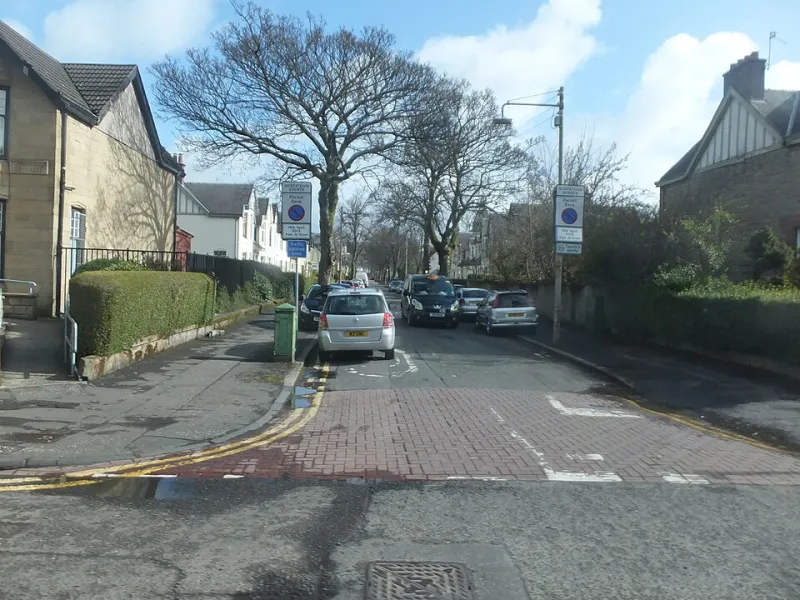
Photo: Barbara Carr , CC BY-SA 2.0, via Wikimedia Commons
There's a particular kind of quiet that settles over a street when the first proper snow arrives. The gritters have been out, the buses are running with delays, and half the country is squinting out of the window trying to work out whether today counts as a normal day.
If you run a small business, or you've got a home visit booked in, that's the exact moment a plan earns its keep. Not the quote. Not the confirmation email. The slushy Tuesday morning when the phone starts ringing and everyone is guessing.
We've spent enough winters in and out of homes and offices to know that the difference between a disrupted day and a chaotic one is usually about ten minutes of conversation held weeks earlier. So here's the case for a weather clause — a short, plain-English agreement about what happens when the UK does what the UK does.
Why agree anything at all?
Bad weather doesn't just cancel a visit. It creates a small chain of decisions that all need making at once. Is the car park safe? Has the keyholder already left? Is the boiler job urgent enough to justify someone sliding down a residential street? Do we still pay for the slot?
Left to chance, those decisions get made badly and at speed. Someone turns up to a locked building. Someone else cancels by text at 7.55am. A sole trader loses a day's income and a client loses confidence, and neither of them is really at fault.
A weather clause doesn't stop snow. It just means nobody has to improvise.
Communication: who says what, and by when
The single most useful line you can agree is a deadline. Something like: if conditions look doubtful, we'll speak by 7am on the day of the visit.
That one sentence does a lot of work. It tells the client when to expect news, it stops the anxious 6am text, and it gives the person doing the visiting time to check the roads, the forecast and the job list before making a call.
Agree the channel too. A phone call for anything urgent, a text for confirmation, an email for the paper trail. In an office, add the name of the person who actually makes the decision — not the whole team, not a shared inbox nobody checks until lunchtime.
And agree what counts as doubtful. A Met Office yellow warning is a reasonable, neutral trigger that takes the argument out of it.
Access: the bits people forget
Paths, gates, key safes, alarm codes, parking permits, the side entrance that floods. In winter, access is the first thing to fail and the last thing anyone plans for.
Agree in advance which entrance is the sensible winter one, who holds the key, and what happens if the usual keyholder is stuck three counties away. For offices, add the practical details: who can let a contractor in if the facilities manager is working from home, whether the alarm can be disarmed remotely, and whether a lift being out changes the job entirely.
It sounds fussy written down on a mild October afternoon. It stops feeling fussy at 8am in January.
Safety: the visit that shouldn't go ahead
Some jobs can wait. A dripping tap can wait. Water coming through a ceiling above electrics probably can't.
Work out in advance which tasks are genuinely urgent and which can slide a week, and write the list down. That way nobody has to judge risk while standing on an ungritted driveway with cold hands.
Worth saying out loud as well: a provider who calls off a visit because the roads are dangerous is being professional, not flaky. Someone driving on black ice to keep a promise isn't the kind of reliability anyone should want on their behalf.
Fair rescheduling
This is where goodwill quietly evaporates. If a visit is cancelled because of weather, the fairest arrangement is usually no charge, priority rebooking, and the same weekday slot held where possible. If a client cancels late because their road is impassable, the same courtesy should run the other way.
What you're trying to avoid is the argument about blame. Weather is nobody's fault, so the terms should be simple enough that neither side has to make a case.
A short template you can copy
- Check-in: we'll confirm by 7am if the visit is doubtful.
- Contact: [name] on [number]; if no answer, text.
- Access: winter entrance is [x]; key held by [y].
- Trigger: visits pause if a Met Office warning covers the area.
- Reschedule: no charge either way; first available slot offered.
- Urgent jobs: [short list].
Six lines. It fits on a page, it takes a few minutes to agree, and it covers most of what a British winter can throw at a schedule.
The quiet benefit
There's a less obvious upside. When both sides know what happens on a bad day, the good days feel calmer too. You stop wondering whether the arrangement is solid, and the visit becomes what it was always meant to be — a straightforward bit of help, done properly, by people who turned up when they said they would.
That's roughly the whole idea behind what we do. Not grand promises about beating the weather, just a plan sensible enough that a bit of snow doesn't undo a good working relationship.